
Fabric RTI 101: Core concepts of KQL
It’s time to look at what makes KQL different from traditional query languages.
At its foundation, KQL works with tables, rows, and columns, just like SQL. The structure feels familiar, but the query model is quite different.
KQL queries are built from operators — like where, summarize, project, and extend — and these are chained together using the pipe (|) symbol. Each operator takes the output of the previous one and transforms it further. It’s like building a data pipeline, one step at a time. This makes it incredibly readable and modular — you can easily add, remove, or rearrange steps without rewriting the whole query.
Another key idea is schema-on-read. Unlike traditional databases that enforce a strict schema before data can be queried, KQL can interpret the schema dynamically as the data is read. That makes it very flexible when working with semi-structured or nested data, such as JSON or dynamic fields.
Performance-wise, KQL is optimized for fast scanning of massive datasets. It can process billions of rows in seconds by leveraging distributed storage and indexing under the hood.
Because it’s often used for log and telemetry analysis, time plays a central role. Many queries filter, aggregate, or visualize data by timestamp, which makes it perfect for trend analysis, anomaly detection, or monitoring real-time systems.
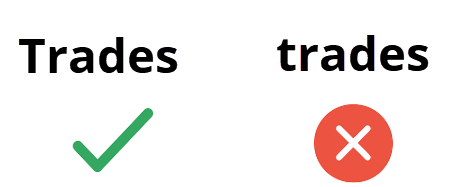
Finally, it’s worth noting that KQL is case-sensitive, except for its reserved keywords. That means EventName and eventname could be two different fields, so consistency in naming is important when you write or share queries.
Altogether, these concepts — pipelines, schema-on-read, and time-based analysis — are what make KQL both powerful and well-suited to the world of real-time intelligence.
Learn more about Fabric RTI
If you really want to learn about RTI right now, we have an online on-demand course that you can enrol in, right now. You’ll find it at Mastering Microsoft Fabric Real-Time Intelligence
2026-06-06