
Fabric RTI 101: KQL Filtering
When we start working with large volumes of data, one of the first and most important things we need to do is filter. Filtering is all about reducing noise — narrowing down the data that we really need so that we only keep the rows that are relevant to our analysis or our business needs.
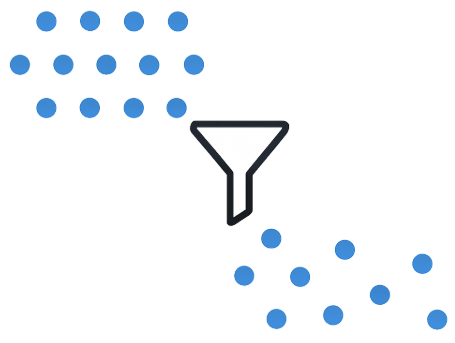
In most systems, rows contain a mix of everything: normal activity, background data, edge cases, and sometimes even junk messages. If we tried to process or visualize all of it, our queries would slow down, and costs would rise, and the signal we care about would get buried in the noise. Filtering allows us to focus only on what matters.
I mentioned in the last RTI post that filtering is almost always the first step after the table reference and implemented by a where clause. Essentially, you’re starting by defining a subset of the data that’s relevant to your question, before you go on to perform aggregations, joins, or pattern detection on that smaller, focused set. Doing it early in the process improves efficiency because you’re processing fewer rows, and it reduces the chance of misleading results caused by irrelevant data points.
Note that when you’re comparing things in a where clause, the double-equals operator is used, not a single equals.
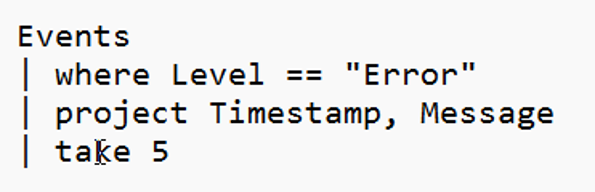
A simple example might be filtering sensor readings to include only those where the temperature is above 80°C, or filtering transactions to include only those over a certain dollar amount. In a security or telemetry context, you might filter for only failed logins or HTTP status codes above 400. These conditions can be numeric comparisons, text matches, or even time-based — for instance, keeping only events from the last 10 minutes or excluding old data that’s already been processed.
Filtering is the process of selecting only the events you care about, using logical or numeric conditions. It’s the foundation of most real-time analytics pipelines, improving performance, lowering storage costs, and allowing you to focus analysis where it really counts.
Learn more about Fabric RTI
If you really want to learn about RTI right now, we have an online on-demand course that you can enrol in, right now. You’ll find it at Mastering Microsoft Fabric Real-Time Intelligence
2026-06-10