
Fabric RTI 101: Digital Twins
A digital twin is a virtual representation of a physical system or asset - such as an engine, a building, a production line, or a logistics network.
Unlike a static model, a digital twin is continuously synchronized with its real-world counterpart through real-time telemetry and sensor data. This constant data flow ensures that the virtual model reflects the current operating state of the physical system.
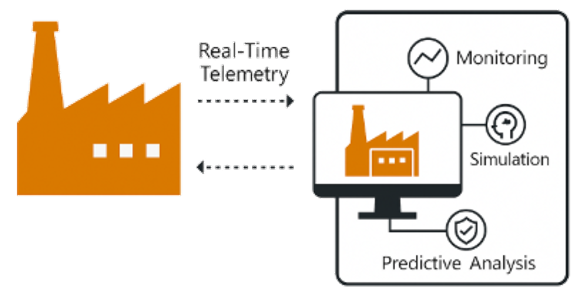
The purpose of a digital twin extends beyond visualization. It enables simulation, monitoring, and predictive analysis. For example, engineers can test what-if scenarios - such as how a machine might behave under higher load or different environmental conditions - without interrupting operations. It also supports predictive maintenance, by identifying early indicators of wear or failure before they result in downtime.
Digital twins rely on combining IoT data, historical context, and AI models. The IoT data provides the live state, the historical data supplies trends and baselines, and AI models interpret patterns or predict outcomes. This combination allows organizations to both understand current conditions and forecast future behavior.
In a real-time intelligence environment, digital twins represent a move from passive analytics to active systems. Instead of just observing metrics on dashboards, teams can simulate interventions, automate responses, or optimize configurations dynamically. The same architecture that powers real-time analytics - including Eventstream, KQL, and machine learning integration - forms the foundation for building and maintaining these digital twin ecosystems.
Learn more about Fabric RTI
If you really want to learn about RTI right now, we have an online on-demand course that you can enrol in, right now. You’ll find it at Mastering Microsoft Fabric Real-Time Intelligence
2026-10-26