
Fabric RTI 101: Integrating KQL Follower Databases

A KQL Follower Database provides a way to share data across clusters or organizations while maintaining control and performance. Instead of duplicating ingestion pipelines or exporting data manually, a follower database automatically mirrors data from a leader database hosted in another KQL cluster.
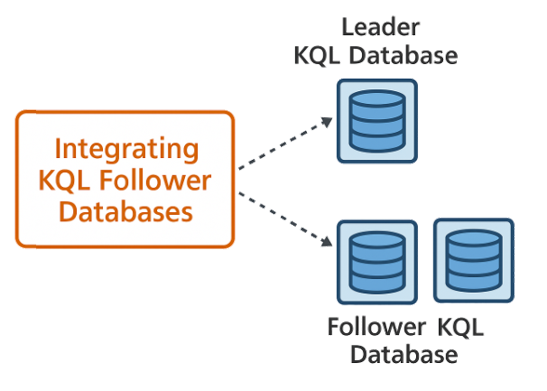
This pattern is especially useful when multiple teams, regions, or tenants need access to the same data for analytics.
The follower maintains a read-only, synchronized view of the source. Updates to the leader are automatically reflected in the follower without any manual refresh or re-ingestion.
Follower databases help achieve scalability and isolation. Each follower can handle its own query workloads independently, preventing heavy query activity in one environment from affecting performance in another.
This approach also enhances governance and security: the data owner controls which databases and tables can be followed, ensuring access remains within approved boundaries.
In a Fabric context, follower databases make it easier to extend Real-Time Intelligence solutions across clusters - for example, sharing live telemetry or aggregated event data between environments, while maintaining consistency and minimizing latency.
Learn more about Fabric RTI
If you really want to learn about RTI right now, we have an online on-demand course that you can enrol in, right now. You’ll find it at Mastering Microsoft Fabric Real-Time Intelligence
2026-10-20