
Fabric RTI 101: Joining using KQL
When we talk about joining in KQL, we’re usually dealing with a real-time or near-real-time stream of data that needs extra context. The stream itself might contain the facts about what just happened — an event, a transaction, a sensor reading — but to understand that event properly, we often need information that isn’t included in the stream.
That additional context usually comes from a reference or historical table. For example, if you’re processing IoT sensor data, you might want to know what type of device sent the reading, what its normal operating range is, or which location it’s installed in. The stream doesn’t carry that metadata on every message because that would make the data unnecessarily large. Instead, you can use a join to combine the live stream with a reference dataset that contains those attributes.
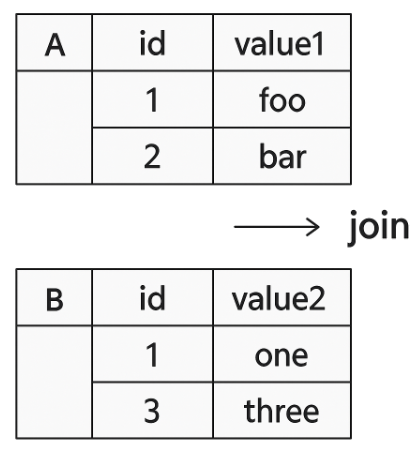
A typical use case might be enriching live telemetry with configuration data, or joining error events with a table of system components to identify which device type or region is affected.
KQL supports a range of join types, much like SQL: inner, leftouter, rightouter, fullouter, and so on. But because KQL is designed for high-volume telemetry workloads, it also supports time-aware joins — where events are matched based on timestamps or within a time range — and deduplicating joins like innerunique, which handle large event streams efficiently.
These joins let you perform real-time correlation and filtering, rather than waiting for data to land in a warehouse.
The result is context-aware real-time analytics — being able to detect and respond to situations as they happen, with full knowledge of the entities involved.
Without this ability to join live data with static context, you’d only see part of the picture. Joining in KQL is all about adding meaning to fast-moving data — enriching events, correlating streams, and enabling immediate, informed analysis.
Learn more about Fabric RTI
If you really want to learn about RTI right now, we have an online on-demand course that you can enrol in, right now. You’ll find it at Mastering Microsoft Fabric Real-Time Intelligence
2026-05-17