
Fabric RTI 101: Joining with Other Data Sets
The Join operation allows you to bring together data from multiple sources in real time — much like performing a SQL join on continuously arriving data.
Imagine you have one stream of telemetry from IoT devices and another stream of configuration updates.
By joining them on a common key, such as a device ID, you can enrich your telemetry with configuration or location context in real time.
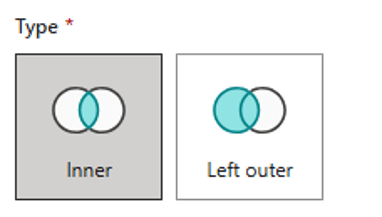
Eventstream supports different types of joins, including both inner joins (matching only overlapping records), and outer joins (keeping all events from one stream, even when there’s no match).
These joins can happen on fields like transaction IDs, timestamps, or other logical keys.
In practice, joining is what enables correlation — connecting events from different systems to form a complete picture. For example, matching a purchase transaction with its fraud score stream, or aligning telemetry with an alert feed.
By carefully defining your join conditions, you can unlock much richer insights from your real-time pipelines — turning isolated event streams into integrated, contextualized data flows.
Note that early on, it appeared that eventstream joins would directly support reference datasets, but at present, joins can only combine events from input streams.
Learn more about Fabric RTI
If you really want to learn about RTI right now, we have an online on-demand course that you can enrol in, right now. You’ll find it at Mastering Microsoft Fabric Real-Time Intelligence
2026-04-07