
Fabric RTI 101: Cross-Database and Cross-Cluster Queries
In Fabric, KQL supports querying across multiple databases or even across different clusters.
This feature is especially valuable when data is distributed across teams, regions, or functional domains — for example, separate clusters for telemetry, transactions, and logs.
A cross-database query allows you to access tables in more than one KQL database within the same cluster. This is often used when analytical data and operational data are stored separately but need to be correlated — such as linking user activity logs with transaction histories.
A cross-cluster query goes a step further by connecting to an entirely different KQL cluster. This is useful for organizations with data distributed geographically or by department.
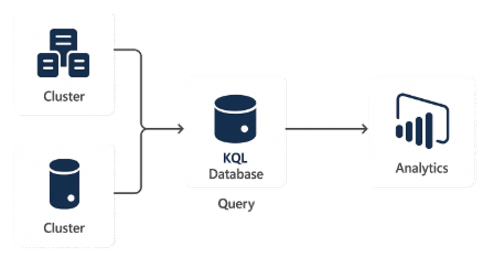
These queries require the correct permissions and connectivity — including trust relationships or managed identities — to ensure data security and governance.
Because cross-boundary queries can span large volumes of data, it’s important to optimize them carefully.
Use filters as early as possible, and restrict the scope of data retrieval to just what’s needed. Aggregating or summarizing in the source before joining helps reduce overhead and latency.
KQL allows joins, unions, and federated queries across these sources, providing a unified analytical view without requiring data duplication. This is particularly helpful in hybrid architectures where data needs to remain distributed but still be queried as a whole. You can create a federated materialized view by using these queries.
Learn more about Fabric RTI
If you really want to learn about RTI right now, we have an online on-demand course that you can enrol in, right now. You’ll find it at Mastering Microsoft Fabric Real-Time Intelligence
2026-09-14